Virgin Games
5 mins read
Building Chatroom to Community
My Role
Responsible for community-related features, working closely with key stakeholders to align business goals with user needs. High-level strategies were translated into actionable milestones, while UX designers were guided across sub-features to ensure modular consistency within a unified platform.
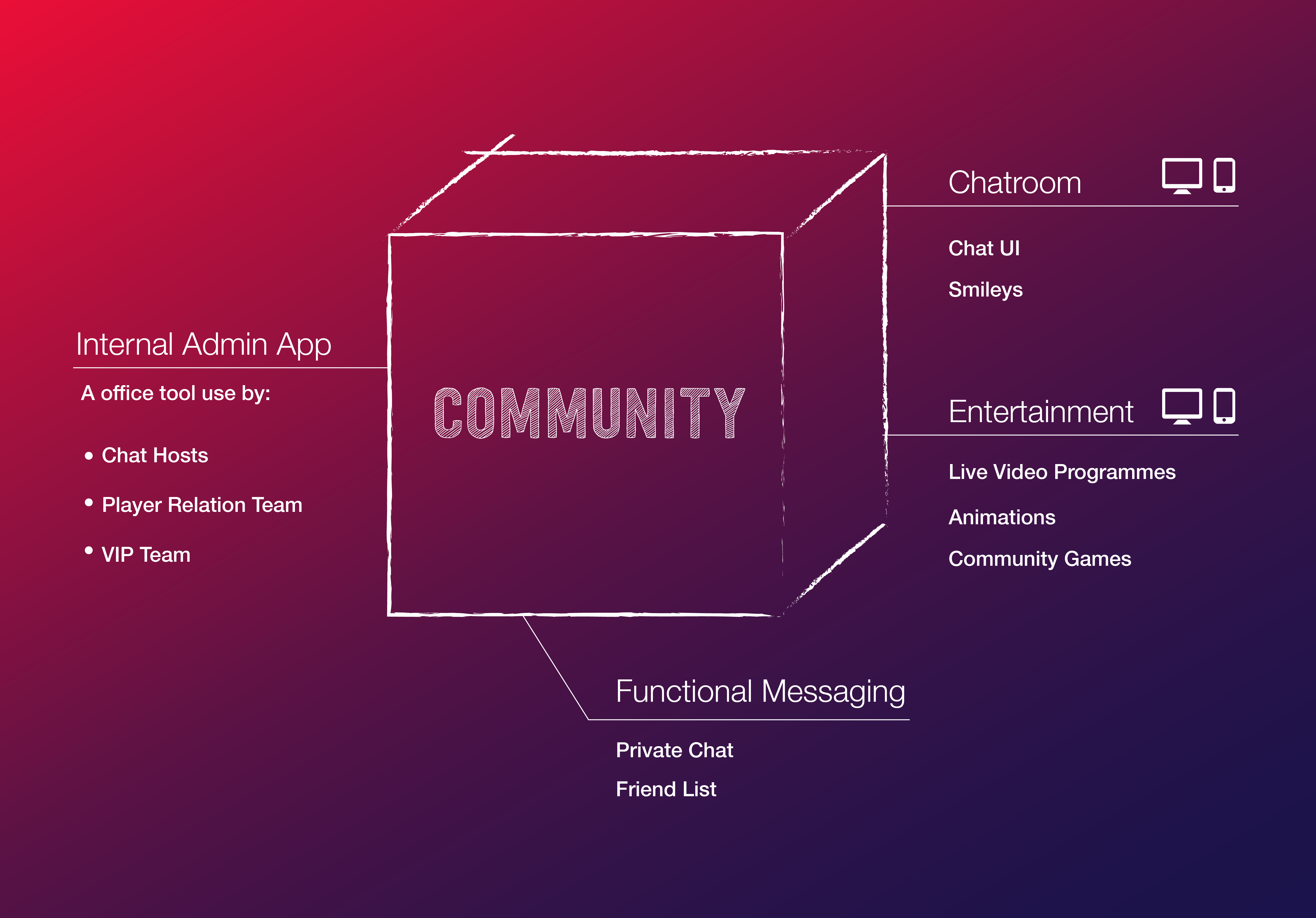
Any feature designed to foster player connection was treated as part of the community ecosystem—serving as a key differentiator for the platform. The diagram below outlines the scope:
The Disoriented Team
Upon taking ownership of community from a UX perspective, it became clear that the technical team lacked direction. The team consisted of 2 technical leads, 8 developers, and 2 QAs, but without a Product Owner, there was no clear roadmap or prioritisation.
Given broader responsibilities across other areas, full ownership of product direction was not feasible. The issue was escalated to the Chief Product Officer, resulting in the appointment of a dedicated Product Owner.
Initial efforts focused on identifying key user pain points and critical bugs. Addressing these delivered immediate improvements to user experience and created space to define a longer-term product vision. Urgent issues were documented and presented to leadership to secure alignment, with the following quarter dedicated to resolving these foundational problems.
Setting Quantified Goals for Intangibles
To track progress, a set of measurable KPIs was required. However, the impact of community features is inherently difficult to quantify—particularly in direct revenue terms.
As an alternative, sentiment analysis was adopted as a proxy metric. Commonly used in social platforms, it provided a way to track user attitudes within chat environments. While not a perfect measure of engagement, it offered directional insight into user perception and helped inform future development.
Prioritising What to Build
With clear goals established, focus shifted to identifying which features would drive impact.
An offsite brainstorming session was organised with stakeholders. Hosting it away from the office environment encouraged fresh thinking and reduced routine-driven bias.
Over 70 ideas from stakeholders and backlog items were consolidated and translated into rough wireframes, enabling clearer visualisation and more focused discussions.
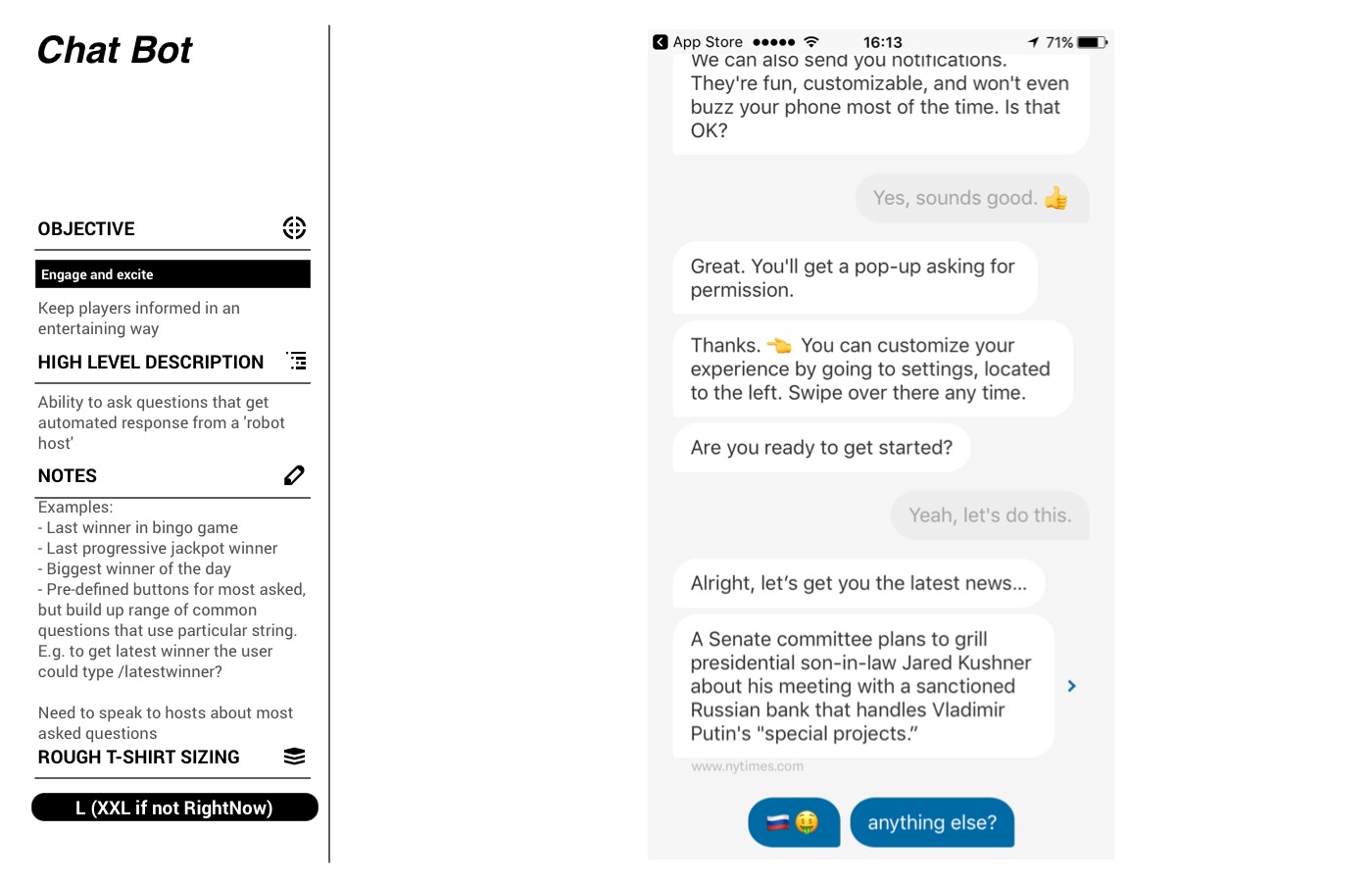
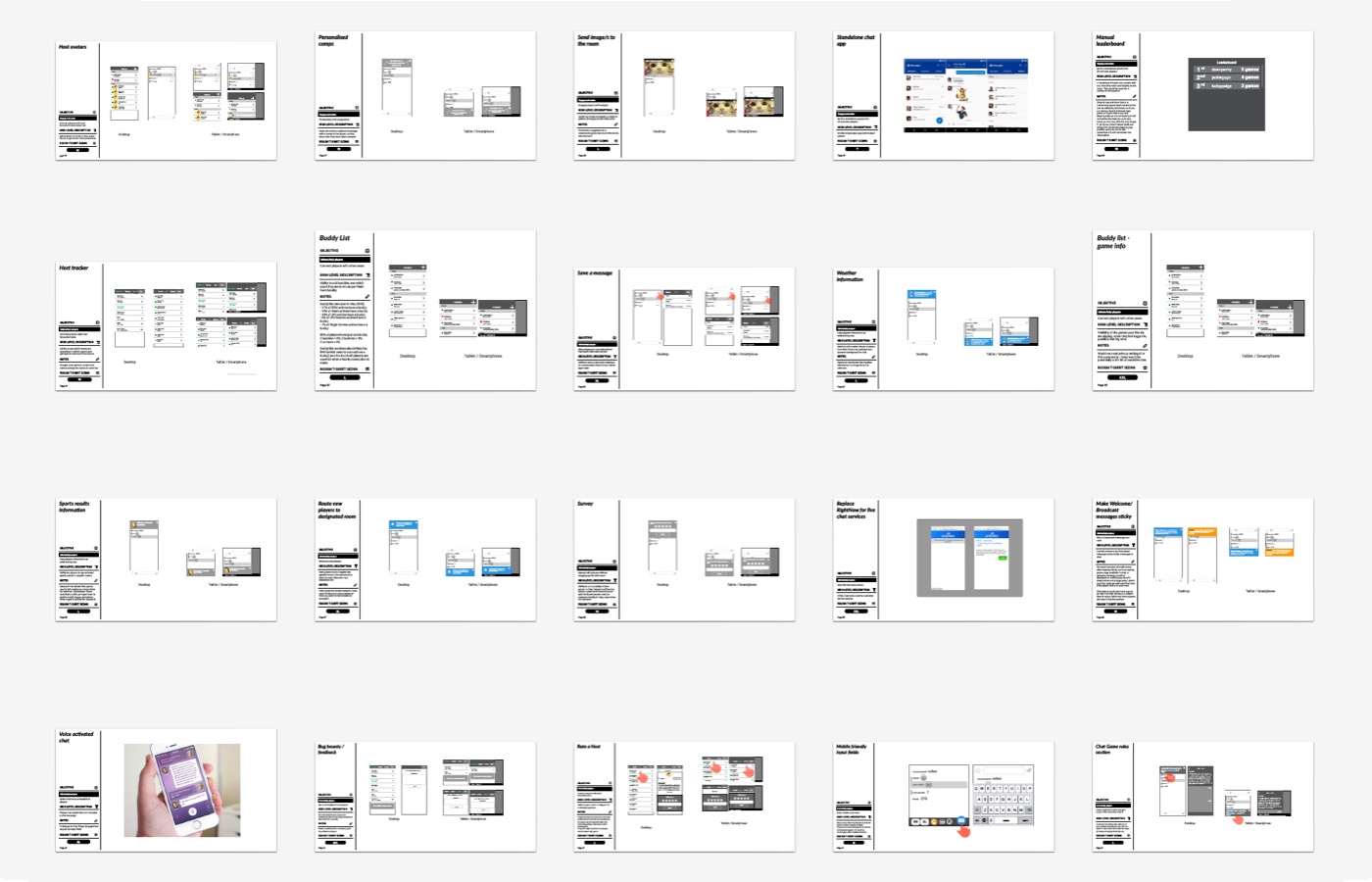
Participants used sticker voting to prioritise ideas for upcoming quarters. While efficient and democratic, the method revealed limitations—decisions could be influenced by bias or a tendency to favour easier implementations over strategic value.
This highlighted the importance of pairing voting with clear rationale. Prioritisation should be guided by validated impact rather than preference alone.
Managing Moving Parts
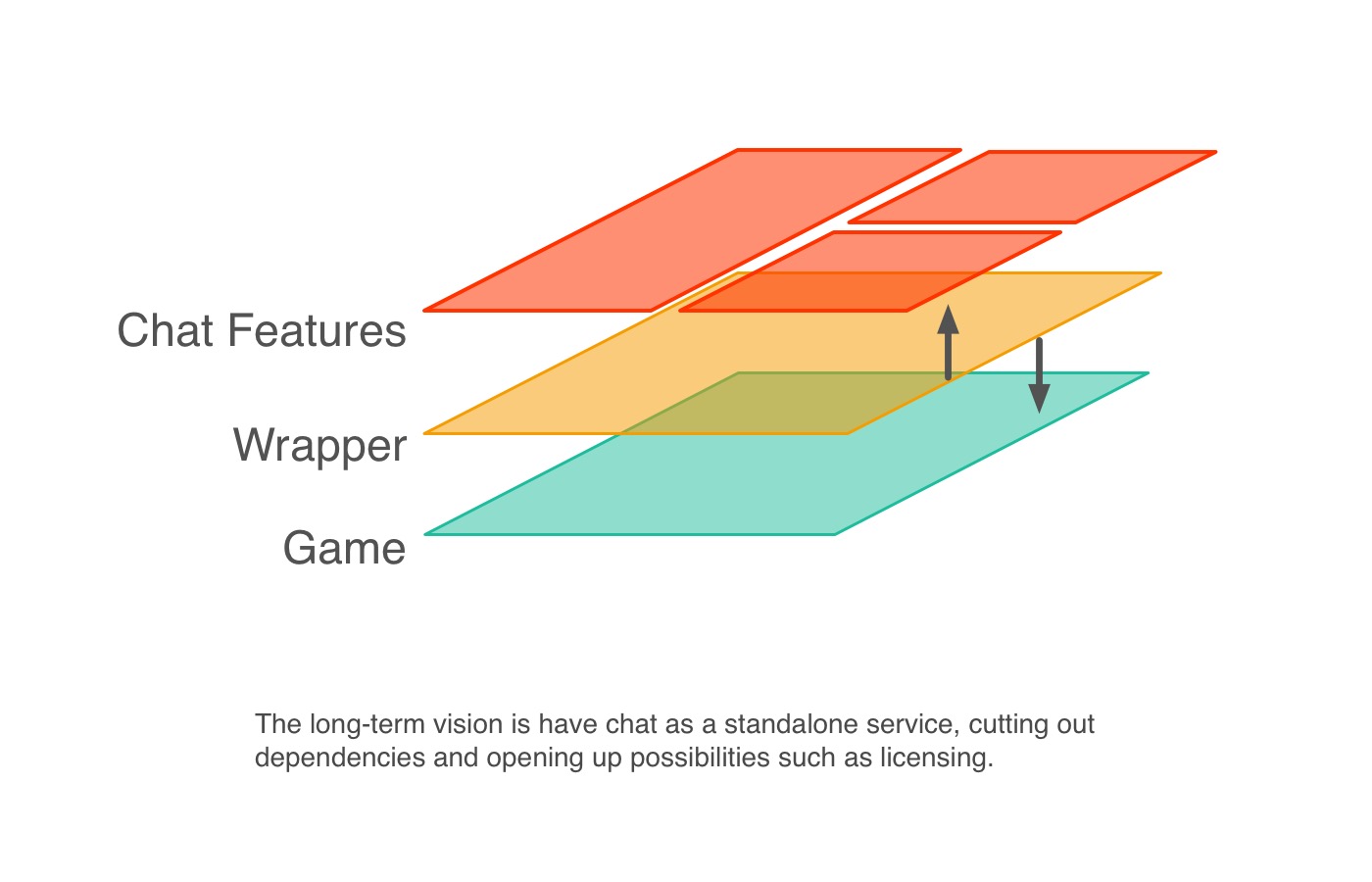
Significant dependencies existed across teams. Features such as video and chat-based games relied on external teams, including the game studio and platform wrapper.
A strong understanding of the technical ecosystem was essential. More importantly, consistent cross-team communication ensured alignment. Designing features without readiness from dependent teams creates delivery risk—early coordination and alignment were critical to successful launches.
What Was Learned
Working alongside experienced colleagues provided valuable exposure to both strategic and operational practices. Key UX takeaways include:
Apply tools with intent
Common tools like sticker voting or Gantt charts are not universally effective. Their value depends on context and should always be evaluated critically.
Balance innovation with familiarity
Established design patterns often better meet user expectations than reinvented solutions. Prioritising usability over originality leads to stronger outcomes.
Simplify through communication
In complex organisations, clarity drives efficiency. Simplifying problems and aligning stakeholders ensures smoother execution.